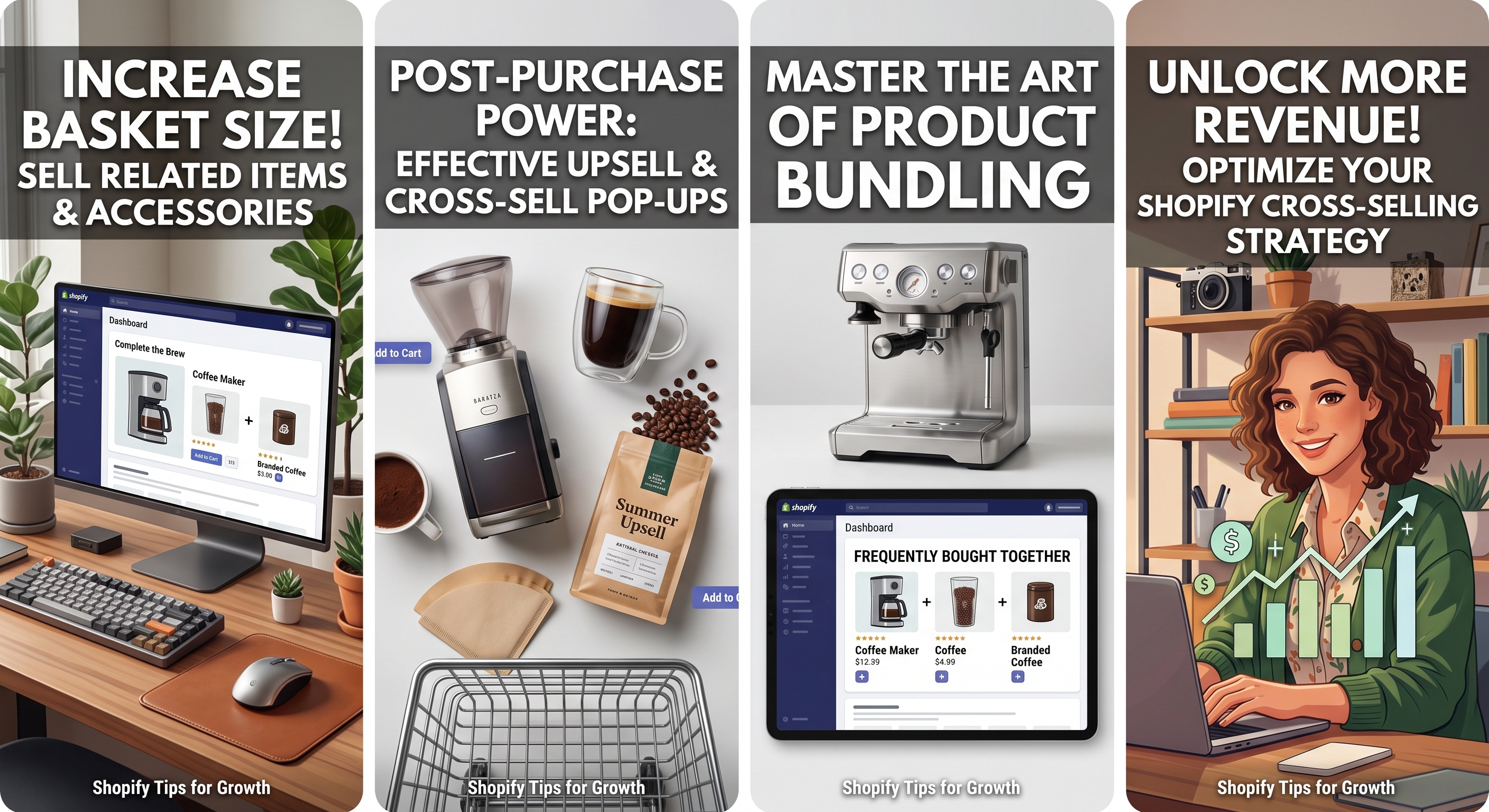
If you've been in the Shopify ecosystem for more than a week, you've probably heard these terms used constantly. But here’s the reality: most merchants use them interchangeably—and that’s exactly why they leave money on the table.
Choosing between upselling and cross-selling isn’t just about “selling more.” It’s about understanding the customer’s mindset at the exact moment they’re making a decision.
Upselling: The “Premium” Upgrade
Upselling is about persuading a customer to buy a more expensive, upgraded, or premium version of the product they are already considering.
Think of it like this:
“You liked the Standard model? You’re going to love the Pro.”
When does it work best?
Upselling works best on the Product Detail Page (PDP), before the customer commits to a specific option. At this stage, you can clearly show why the higher-tier product offers better long-term value.
The key insight:
Upselling can be significantly more effective than cross-selling on product pages because it doesn’t introduce new choices—it simply improves the current one.
Cross-selling: The “Perfect Match”
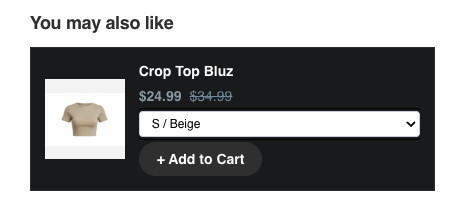
Cross-selling is about suggesting complementary or related products.
It’s the classic:
“Would you like fries with that?”
If someone is buying a laptop, they might also need:
- A sleeve
- A mouse
- A keyboard
When does it work best?
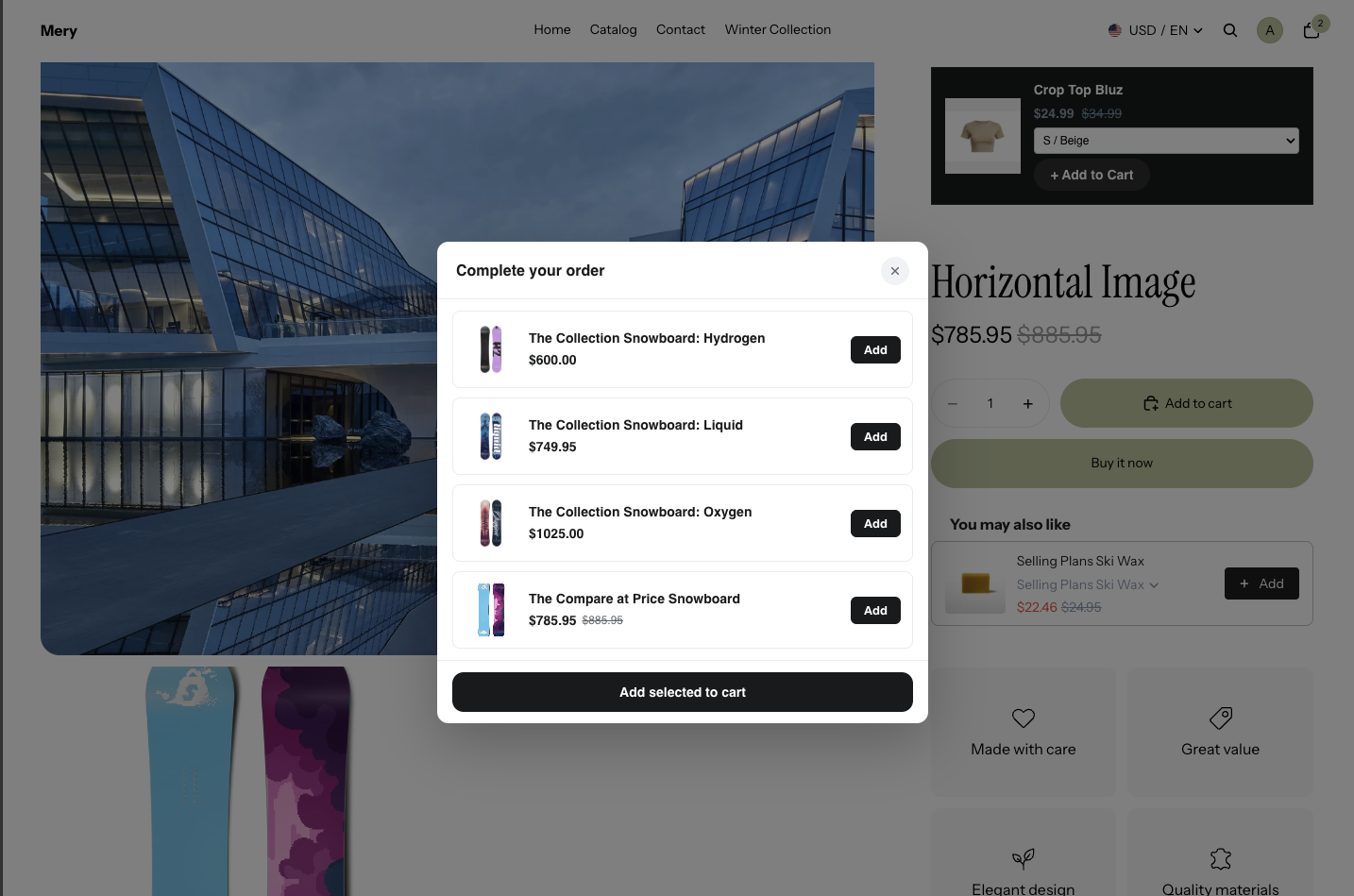
Cross-selling works best after the main decision is made—typically in the cart or during checkout.
The risk:
If you introduce cross-sell offers too early (especially on the product page), you risk creating choice paralysis. Too many options can overwhelm the customer and reduce conversions.
The Verdict: What Actually Works Better?
If you want a direct answer:
👉 Upselling usually generates more immediate revenue
👉 Cross-selling improves overall customer satisfaction
But the real winning strategy isn’t choosing one over the other.
The Real Strategy: Sequential Selling
Top-performing stores use a combined approach called Sequential Selling.
Here’s how it works:
- Upsell on the product page → maximize the base product value
- Cross-sell after purchase → add complementary items
This way, you align each strategy with the natural flow of the customer journey.
One Rule to Rule Them All: The 25% Rule
Whether you’re upselling or cross-selling, there’s one critical guideline:
👉 Never increase the total price by more than 25%
Why?
Because once the price jumps too high:
- The impulse decision disappears
- The customer starts thinking more critically
- “Budget anxiety” kicks in
Keeping offers within this range maintains momentum and increases conversion likelihood.
Final Thoughts
Upselling and cross-selling are not competing strategies—they are complementary tools.
The key is:
- Using upsell to increase base value
- Using cross-sell to enhance the purchase
- Placing each at the right moment in the funnel
When done correctly, they don’t just increase revenue—they improve the entire shopping experience.
Tags